
Room Sensors for a Hot Upstairs Bedroom: What to Check
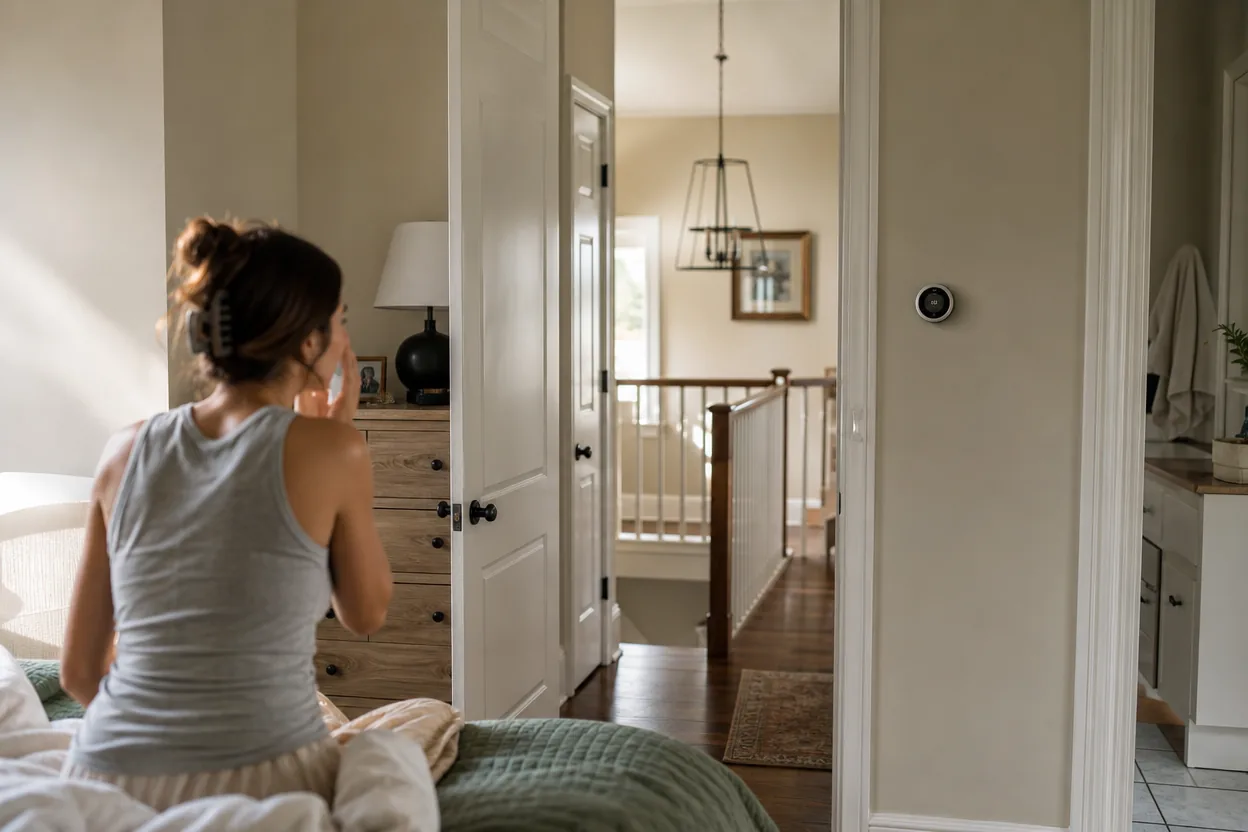
Start with the way your home works
This guide looks at a two-story home where the upstairs bedroom stays warmer than the thermostat area. The goal is straightforward: The household wants the system to consider the rooms occupied at different times rather than only the hallway temperature.
That routine gives the buying decision a useful test: write down when the device should help, who will use it, and what the household should do if the app, internet, or automation is unavailable. If a proposed setup cannot handle those ordinary moments, extra features are unlikely to fix the mismatch.
What to compare before choosing
For this setup, compare thermostat compatibility, sensor count, schedule by room, temperature reporting, and whether the system controls dampers or simply averages readings. Check the manufacturer’s current compatibility information and installation requirements before ordering; specifications and supported integrations can change.
Make the comparison concrete: write down the exact room, the people who need access, any existing wiring or hub, and the ongoing costs. Then check each candidate against the same list. A control that household members can use without coaching is often more valuable than a longer feature list.
The main trade-off
Remote sensors can improve context but cannot correct duct imbalance by themselves. Airflow or insulation issues may need a contractor.
A before-you-buy checklist
- Record temperature differences at similar times of day.
- Place sensors away from direct sun and supply vents.
- Confirm the thermostat supports the exact sensor model.
- Treat persistent imbalance as a building-system issue too.
A practical next step
For this household, start by checking whether a device can support this routine: The household wants the system to consider the rooms occupied at different times rather than only the hallway temperature. Verify fit, privacy settings, return terms, ongoing fees, and fallback controls on the maker’s product page. If the first option adds more setup than the routine is worth, compare a simpler control before buying.